
Are We All Developers Now?


I can't seem to resist weighing in on the conversation about vibe coding. The great gold rush of app building is here (again), reminding me of when mobile apps for iPhone and Android first appeared.
The App Store debuted in 2008 with just a handful of apps, including the YP app, built by my friends at AT&T Interactive/yellowpages.com. I joined the company shortly after that debut and had a great front-seat view of the first few years. (Although I was mostly involved in traditional website products at AT&T).
Wallaby launched its first mobile app in 2012, an era in which mobile app development was still very new. (Like today, dumb job descriptions would ask for 10 years of mobile app experience, when such a thing was not possible, like 10 years of AI-app development requirements.)
It was a fun time: everyone was building new apps. It was both hard to make money (no one paid for apps) and sometimes easy (I feel like the fake-drinking-beer app was paid). We made an app at Wallaby that used vibrations to turn your phone in a circle when it was standing up, while it played a siren noise and flashed red and blue. Funny. (There was a video, but I can't find it.)
The dawn of AI-powered coding reminds me of this time. Suddenly, everyone can be a developer. As someone who was always a mediocre software developer (perhaps why I went into product/leadership), this has been fun. Like so many others, I have been using AI to write new programs.
Some of these are internal tools; the kind of thing I have been writing for years. In this case, AI simply replaces the hours of trial and error and googling I would do to get a basic Python or shell script to run.
I've also written larger software projects, but they're still used internally. For my work with local soccer (ASYO Region 13), I used AI to update/rewrite a 40-year-old Fortran tool into Python, but it currently only runs on my laptop.
Now, I'm getting into a real customer-facing web app. I'm solving a small problem I've had (and my smart home ambitions) by connecting my Flume Water Monitor to my Rachio irrigation system to track water usage for landscaping and, most importantly, avoid a slew of false alarms about leaks (which are just landscape water use).
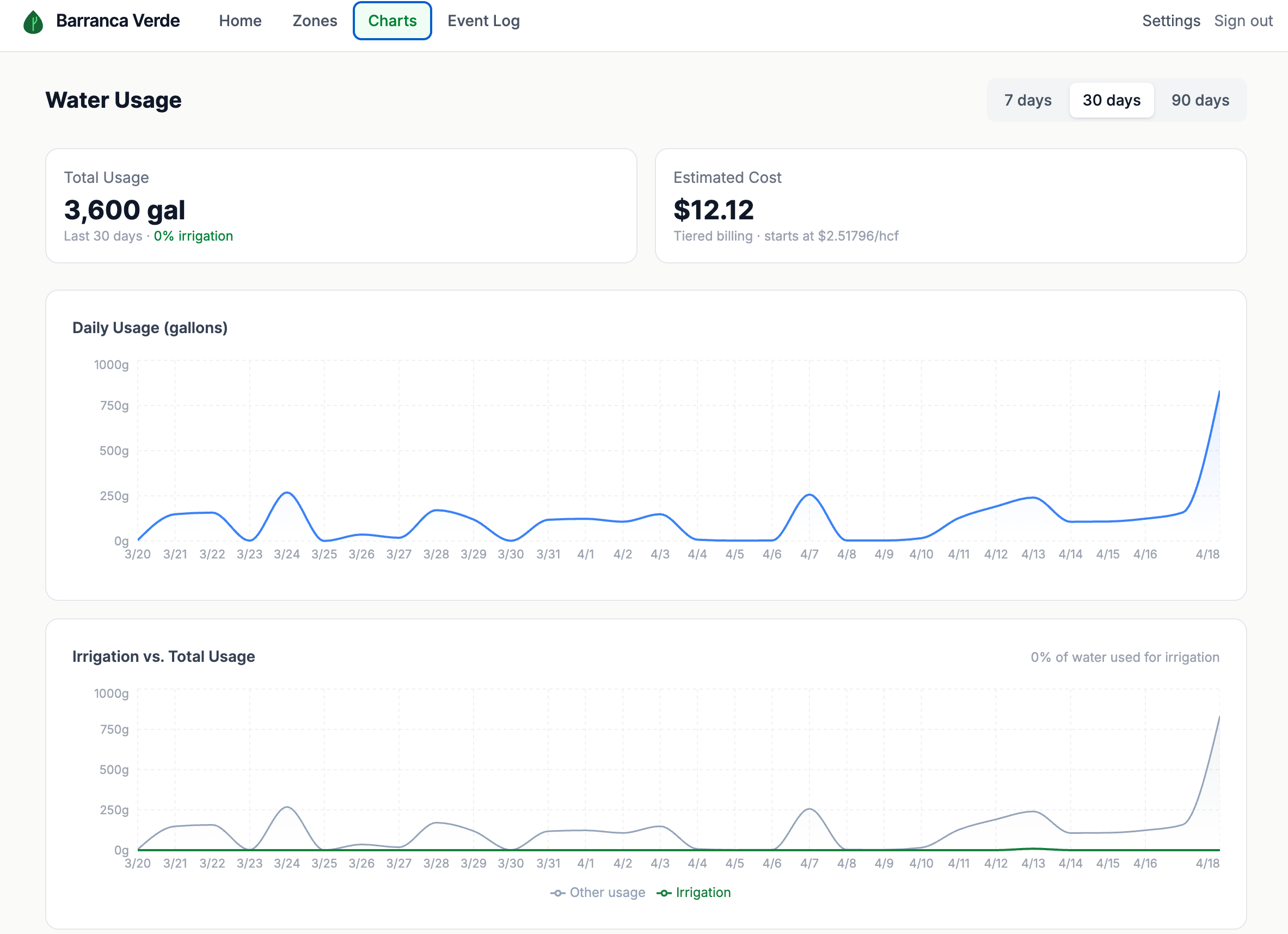
I've taken this approach as a real app. I've spent a few weeks testing this, using it myself, enhancing it, and more. I don't know that I believe in the overnight vibe-code. If anyone else does use this, I want them to have a great experience. I want the app to scale. I think I provided some guidance to the AI that helped it to build this the right way, but time will tell.
In many conversations with colleagues and friends, the topic of AI development comes up. Folks are frustrated with the cost of SAAS apps and, with what they perceive as lock-in to mediocre apps. They are considering building something themselves to solve their problems. Twenty years ago, many companies built much more internal software across many functions. The rise of cloud-based apps helped companies to focus expensive development resources on core competencies.
Building in AI is going to get expensive. Common wisdom is that there is a token shortage and that venture capital dollars are subsidizing AI today. However, time is the one most precious, unchangeable resource. If you build all of your apps internally, AI-driven or otherwise, you have to maintain them. You have to manage them for security. It's a lot of work that I think many companies (and people) underestimate.
If you build a public-facing vibe-coded app, you have to ask:
- Is it secure?
- Is it reliable?
- Does it scale?
- Do you have time to maintain it?
- Did you violate any IP?
It's fun to do hobby projects, for sure, but it's not as though you can vibe code a replacement for HubSpot or Slack overnight. That's nonsense.
I think we'll land back where we are today: companies will use AI to develop code as part of their core competency, but not to rebuild their entire stack. It is likely to cost more, even with AI, to rebuild all the SaaS tools you use. However, it will be easier to build new tools, and some great products will come from that ease.